I began with a question: could AI help people recognize risks earlier?
It started with earthquakes. I lived in Chengdu for many years and experienced the Wenchuan earthquake. Later, reading books and learning about weather-prediction models led me to think about war and humanity’s longer future.
After writing a letter, I began asking myself: why AI in particular? What was I actually trying to improve?
Some answers come from technology. Others come from a particular person.
Years ago, an old school friend died. He was gifted in mathematics and physics, and worked hard. I still remember the nickname he used for me. I do not know what led to his death, and I do not want to mistake speculation for an explanation.
Ellen Bass’s “Inquest” brought those unanswered questions back to me.
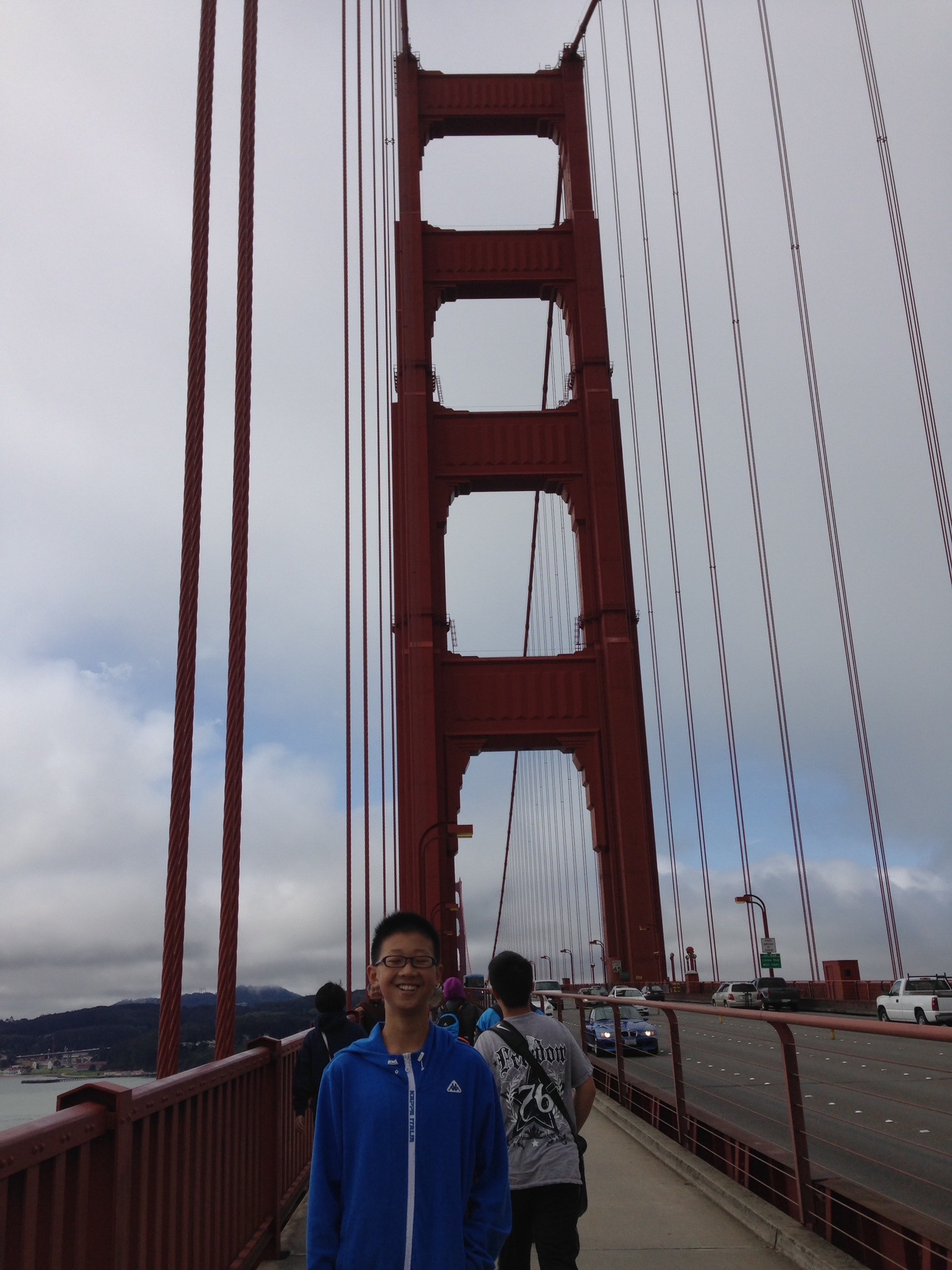
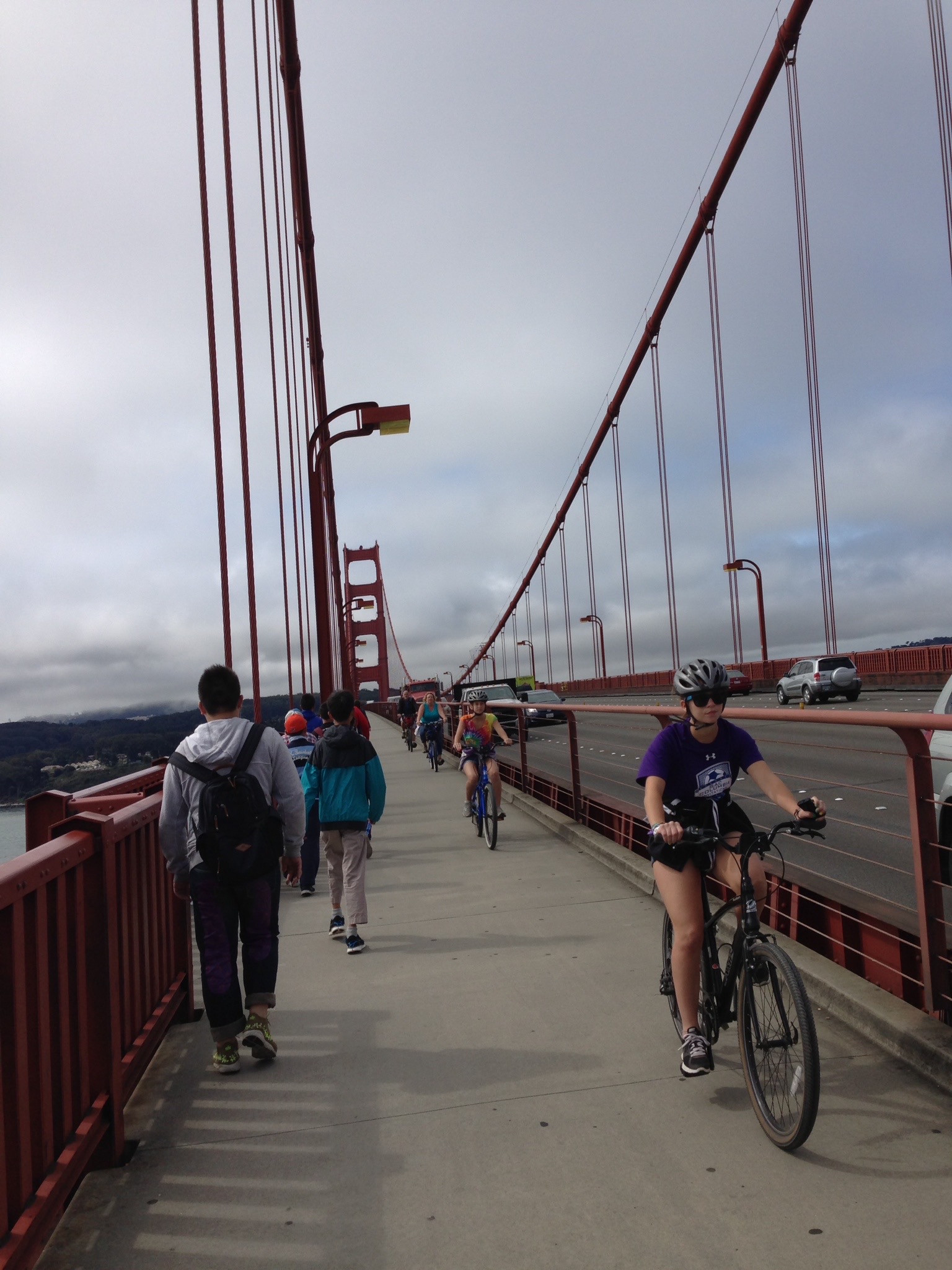
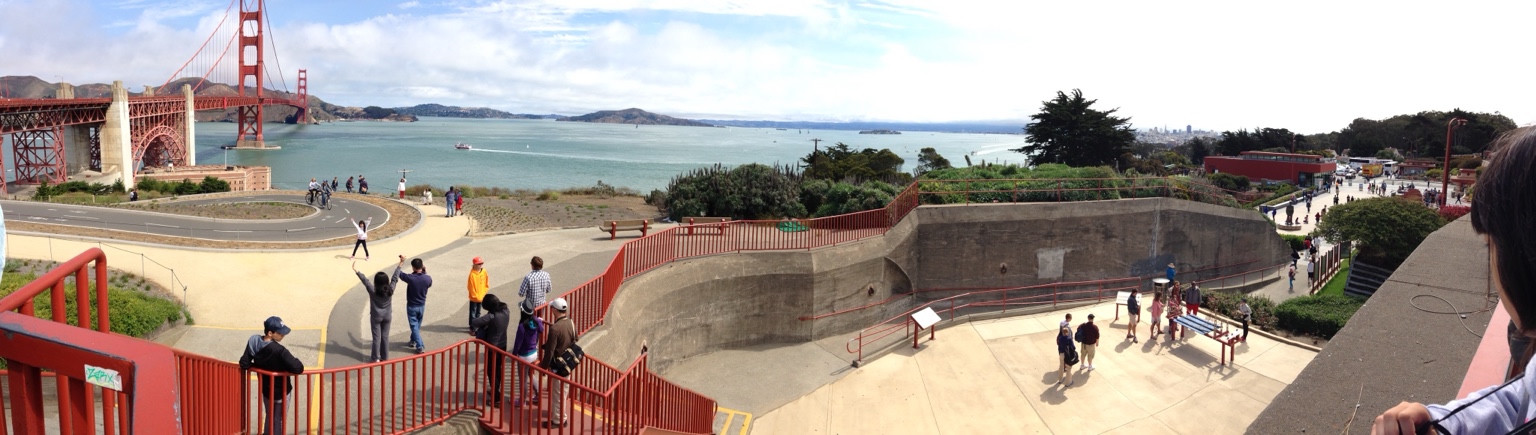
5 August 2013 · Golden Gate Bridge, San Francisco
I also remembered visiting the Golden Gate Bridge. Later I read a follow-up study of people who had been stopped from taking their lives there. It challenged a seemingly persuasive assumption: that preventing it here would only mean it happened somewhere else.
An observational study cannot tell us what would have happened to each person without intervention. But it leaves a question worth considering:
Do we sometimes demand that a person be fully understood before we are willing to give them another chance?
Changing the environment may already help. Prediction matters, but it need not be a prerequisite for every action.
Using GPT-3, and reading about LaMDA’s inferences about characters’ feelings, made me take the possibility of machine understanding seriously. Those examples certainly did not prove that machines have human feelings.
Something else matters more to me: printing, universities, the internet, and perhaps AI allow knowledge to outlive a person and continue helping those who come later.
That is a kind of goodness I cherish.
But preserving knowledge can also preserve misunderstanding.
I noticed that AI remembered projects I had worked on and kept steering me back toward them. It remembered my past self, but perhaps did not notice that my present self wanted to go somewhere else.
This made me want to try a small experiment: after someone explicitly changes their goal, compare AI advice with and without old memories. Does memory help it understand, or make it more certain of an outdated judgment?